What a Level 2 EV Charger Install Really Costs in Los Angeles
January 14, 2026 · 7 min read · Los Angeles Home Pros
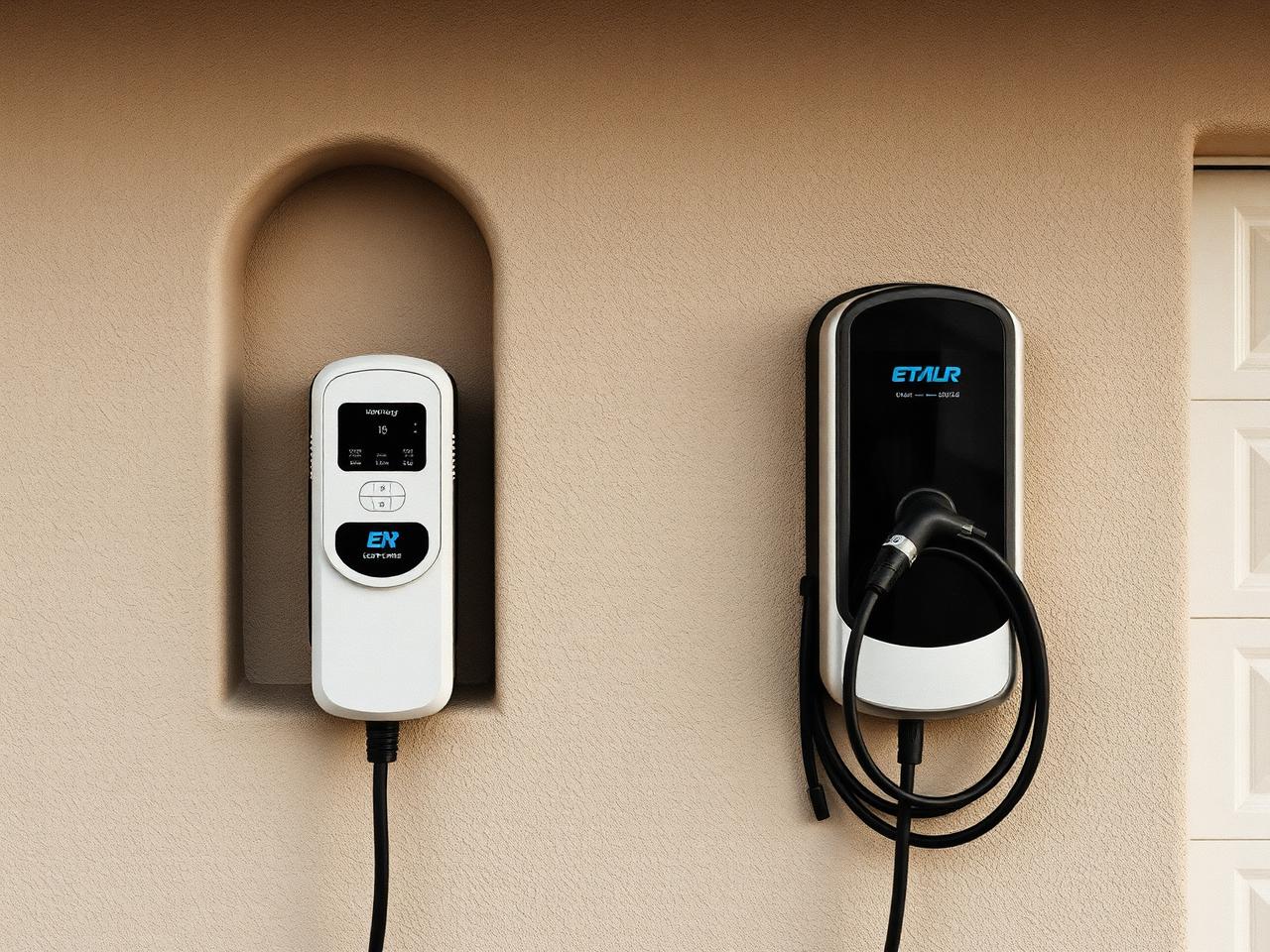
Almost every EV charger call we get starts the same way: the car is in the driveway, the charger is still in its box, and somebody online said the install should be four hundred dollars. Sometimes it is. In a 1954 house in Van Nuys with a full 100-amp panel and a detached garage, it is not — and the difference has nothing to do with who's holding the screwdriver.
The four things that set the price
A Level 2 install is a 240V branch circuit. Everything that changes the cost changes one of four variables: how far the wire has to travel, what it travels through, whether your panel has room, and whether the city wants to look at it.
- Distance from the panel. A charger on the other side of the wall from your panel is a couple of hours. A detached garage across the yard is trenching, conduit and a very different number.
- Path difficulty. Open garage framing is cheap. Finished walls, a stucco exterior, or a crawlspace-to-attic route is labor.
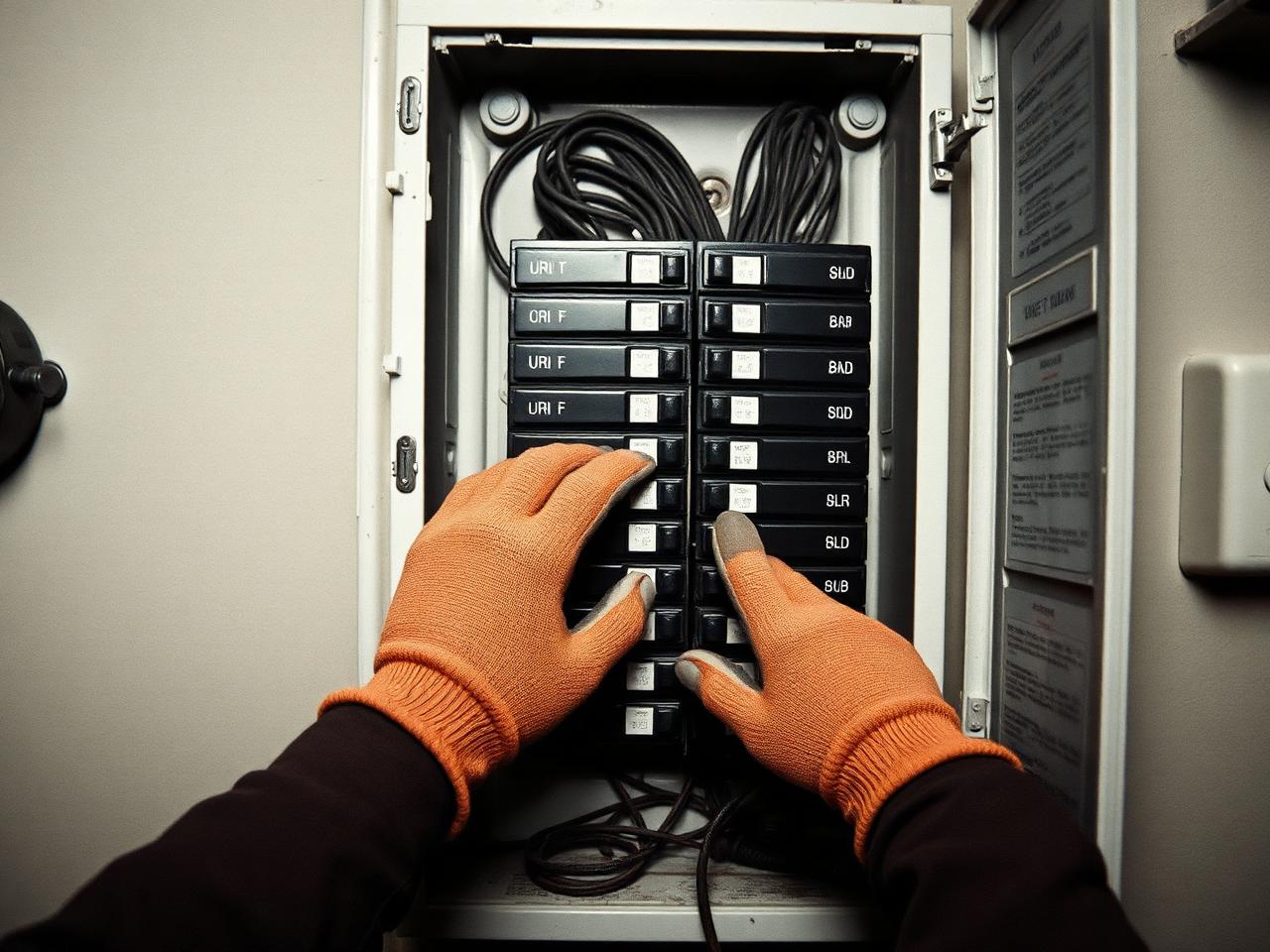
- Panel capacity. If the load calculation says there's room, you're adding a breaker. If it doesn't, you're looking at load management hardware or a service upgrade.
- Permit and inspection. Every city in L.A. County treats a new 240V circuit as permitted electrical work.
Realistic ranges in Los Angeles
A straightforward attached-garage install next to the panel typically lands in the low four figures once permit and inspection are included. Long runs through finished space, exterior conduit or a second charger push it up from there. A detached garage with a trench and a subpanel is its own project, and honest contractors quote it after seeing the yard — not over the phone.
The number that surprises people is the panel upgrade. If your house still has 100-amp service and an all-electric kitchen, the load calculation often won't allow another 40 amps. That's a utility coordination job, not an afternoon.
Load management can save you thousands
This is the single most useful thing to know before you get quotes. If your panel is tight, a load-management device that shares capacity between the charger and a large existing circuit — typically the dryer or the range — is dramatically cheaper than a service upgrade, and it's fully code-compliant. Ask any contractor quoting you a panel upgrade whether load management would work instead. If they can't explain why it won't, get another quote.
Yes, you need the permit
LADBS and the surrounding cities all require a permit for a new EV charger circuit. Skipping it saves a few hundred dollars now and surfaces later: at resale during inspection, when you apply for a utility rebate that requires a signed permit card, or when an insurance claim involves the garage. It is not a formality worth gambling on.
The permit is the cheapest part of the job and the only part that proves the rest was done right.
Hardwired or a NEMA 14-50 outlet?
Hardwiring lets a 48-amp charger run at full output and holds up better outdoors. A NEMA 14-50 receptacle caps you at 40 amps but lets you unplug the unit and take it when you move. Both are code-compliant. Outdoors, either one gets GFCI protection. Pick based on whether you expect to move before the car does.
Questions to ask before you sign
- Did you run a load calculation, and can I see it?
- Is the permit included in this price, or billed separately?
- What gauge wire and what breaker size, and does that match my charger's continuous rating?
- Who meets the inspector?
- What happens to the price if the wall opens up and there's a surprise?
A contractor who answers those five questions clearly is going to do a fine job. One who gets vague about the load calculation is quoting a number, not a project.
Want this handled instead?
Licensed, insured, upfront pricing. Book online in about a minute.
Loading comments…