Matching Orange Peel Texture So the Patch Disappears
February 9, 2026 · 6 min read · Los Angeles Home Pros
Anyone can fill a hole. The reason most drywall repairs still show is that a wall has three things going on — the patch, the texture and the sheen — and amateurs fix the first one and hope about the other two.
Step one: the patch has to be flat, not just filled
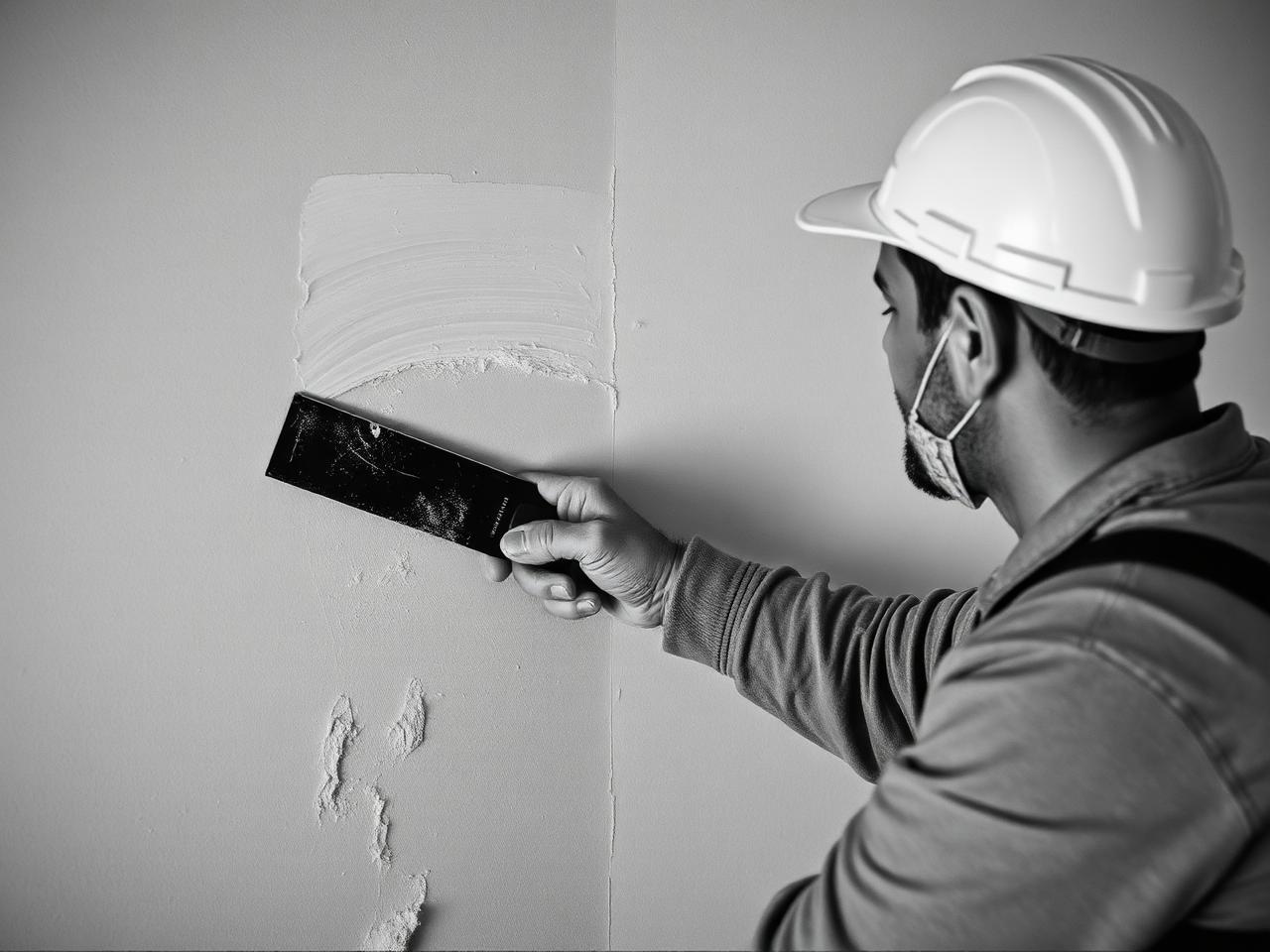
Feather the compound eighteen to twenty-four inches past the repair in three thin coats, not one thick one. A patch you can feel with the flat of your hand in raking light will show through any texture you put on top of it. Sand between coats, and check it with a work light held nearly parallel to the wall — that's how the sun through your window will find it later.
Identify what texture you actually have
- Orange peel: fine spatter, no flattening. The most common texture in Los Angeles tract housing from the sixties onward.
- Knockdown: sprayed heavier, then flattened with a wide blade after it tacks up. Reads as flat islands with valleys between them.
- Skip trowel / Santa Fe: applied by hand with a curved knife, thin and irregular. Common on Spanish-style and remodeled homes.
- Smooth: no texture, which is the hardest of all to patch invisibly because there's nothing to hide behind.
Practice on cardboard, every time
Texture in a can and hopper sprayers both depend on air pressure, material thickness and distance from the wall. Two of those change every time you pick up the gun. Spray a piece of cardboard, hold it against the wall, and adjust until the spatter size matches. Nobody gets it on the first pass, and the pros aren't guessing — they're testing.
You aren't matching the texture on the wall. You're matching the texture the wall had when it was new, plus forty years of paint on top of it.
Prime the repair before you paint it
New joint compound and new texture drink paint at a completely different rate than the wall around them. Skip the primer and the repair shows as a dull halo the moment the light changes — that's what people mean when they say the patch 'flashed.' A stain-blocking primer over the whole textured area fixes it.
Paint corner to corner
This is the part homeowners resist, and it's the part that matters most. Paint fades and sheen changes with age, so a spot repaint almost never blends, even with the original can. Repaint the full wall from corner to corner. On a ceiling, do the whole ceiling. It costs an hour more and it's the difference between a repair you can find and one you can't.
Water stains need a different primer
If the damage came from a leak, fix the leak, let everything dry fully, then use a shellac- or oil-based stain blocker. Water-based primer will let a tannin or rust stain bleed straight back through the finish coats within a few weeks.
Want this handled instead?
Licensed, insured, upfront pricing. Book online in about a minute.
Loading comments…