When a Handyman Job Crosses Into Permit Territory in Los Angeles
March 5, 2026 · 6 min read · Los Angeles Home Pros

Homeowners assume the permit line is about how big the job is. It isn't. A three-hundred-dollar job can need a permit and a five-thousand-dollar job can be exempt. The real question is whether you're replacing something in kind or changing the structure, the electrical system, the plumbing or the building envelope.
Generally no permit required
- Painting, inside or out.
- Flooring replacement over an existing subfloor.
- Cabinet and countertop replacement in the same footprint with no plumbing or electrical relocation.
- Swapping a faucet, a light fixture, a ceiling fan on an existing braced box, a toilet, or a garbage disposal.
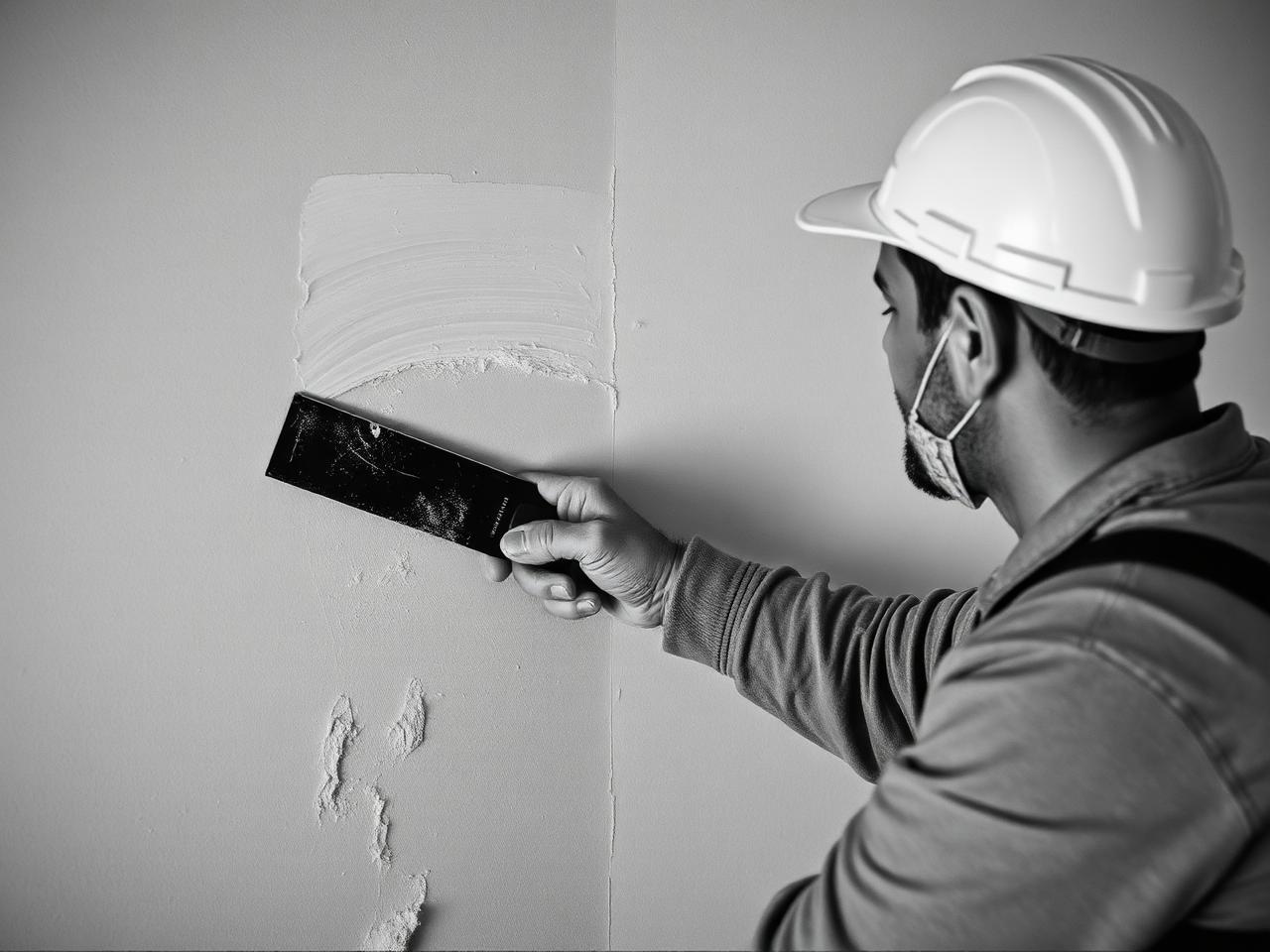
- Drywall patching and texture repair.
- Fence repair below the height limit in your zone.
- TV mounting, shelving, door hardware, weatherstripping.
Generally permit required
- Any new electrical circuit — including an EV charger, a subpanel, or a dedicated appliance circuit.
- Panel upgrades and service changes.
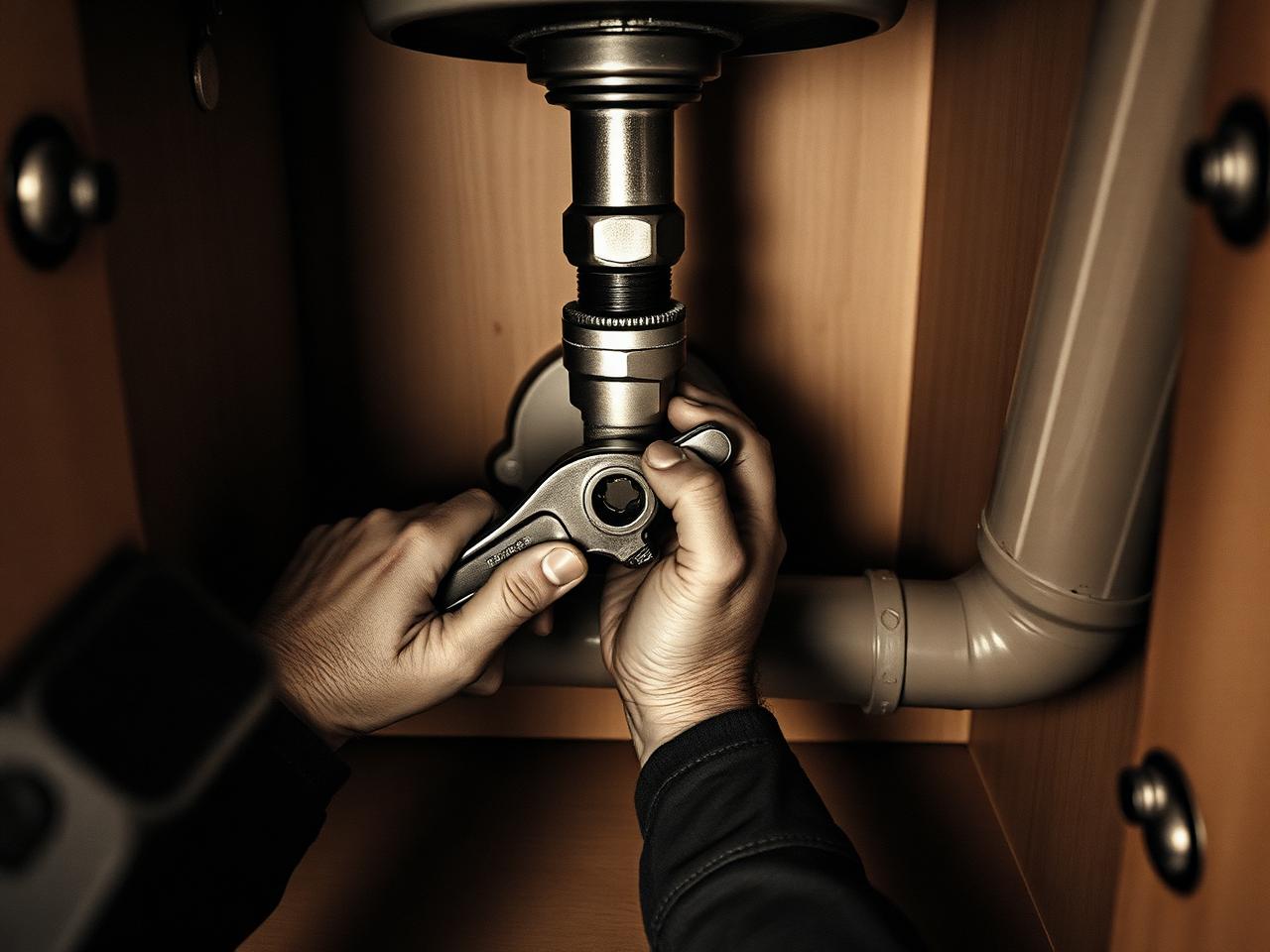
- Water heater replacement. Yes, even a like-for-like swap; it involves gas, venting and seismic strapping.
- Moving or adding plumbing fixtures, or re-piping.
- Removing or altering a wall that carries load.
- Window or door openings that change size.
- Re-roofing, and most structural repair.
- Anything that changes square footage, adds a bedroom, or converts a garage.
Los Angeles-specific things people get wrong
Water heaters catch more people than anything else. It looks like an appliance swap, and it is permitted work in every jurisdiction in the county. So do garage conversions — the state made ADUs far easier to approve, which means the permit path is now genuinely reasonable and there's no longer a good reason to do one under the table.
The other one is 'my contractor said we don't need a permit for this.' Sometimes true. But note who carries the risk: the permit protects you, not them, and an unpermitted alteration is your problem at resale, not the crew's.
Unpermitted work doesn't cause problems while you live there. It causes them the week you try to sell.
What unpermitted work actually costs later
- Escrow delays while a buyer's agent demands retroactive permits.
- Retroactive permitting, which often means opening finished walls so an inspector can see the work.
- Appraisals that exclude unpermitted square footage entirely.
- Insurance claims denied when the loss traces back to unpermitted work.
The simple rule
If you're replacing something with the same thing in the same place, you're usually fine. If you're adding, moving, resizing or re-routing — especially electrical, plumbing, gas or structure — assume it's permitted and ask before the work starts. A good contractor tells you which side of that line you're on before you hire them.
Want this handled instead?
Licensed, insured, upfront pricing. Book online in about a minute.
Loading comments…